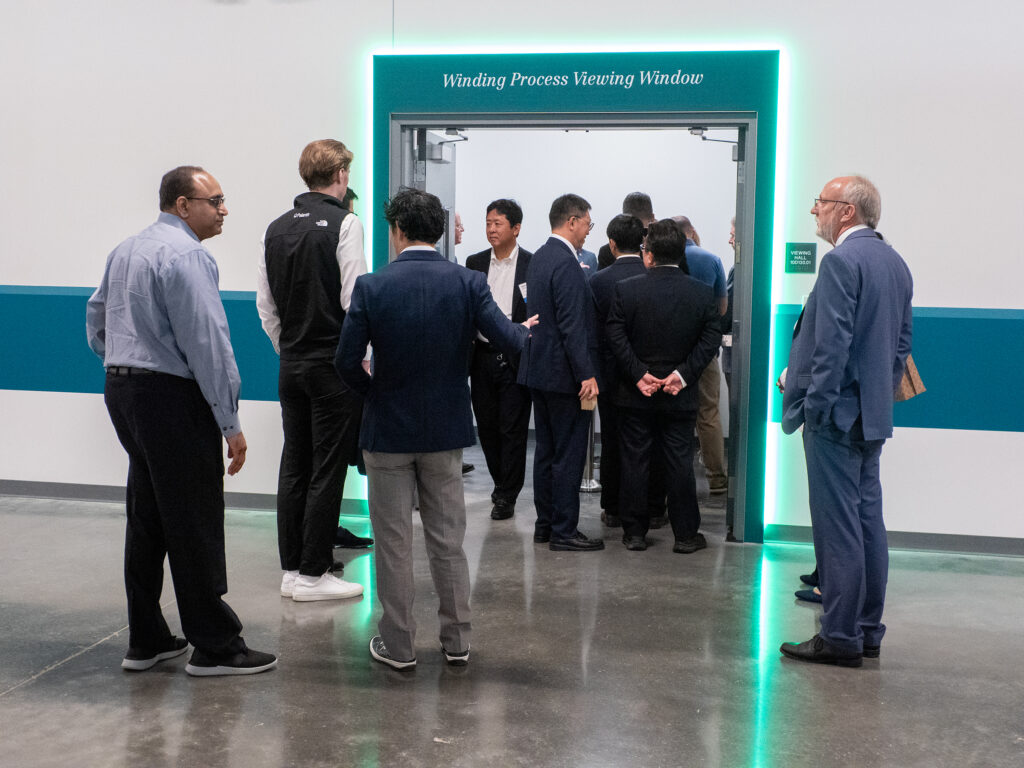
In De Soto, the future of American manufacturing is not a campaign prop. It is a battery factory with workers on the floor. Governor Laura Kelly joined Panasonic Energy in July 2025 for the opening of its Kansas plant, a $4 billion investment that had already hired approximately 1,000 people when production began.
The facility is designed to make electric vehicle batteries at scale. Kansas officials described it as the largest EV battery manufacturing plant in the United States and the largest economic development project in state history. Those superlatives should be measured against actual operations, but the investment and the initial jobs are real.
Kelly's economic case is direct: Kansas can build the equipment for a changing energy economy instead of watching other states claim the work. Panasonic's plant was expected to create up to 4,000 jobs, with additional supplier and community jobs projected. Those figures are forecasts, not workers already on the payroll. They tell Kansans what to watch as the factory expands.
The opening also reflected work across political lines. Rep. Sharice Davids praised the local, state and federal effort that brought the project home. That is the opposite of a politics that mocks clean technology while hoping the jobs arrive anyway. A factory can employ Kansans with different views of electric vehicles; the paychecks do not ask for a party registration.
Panasonic's 300-acre site sits in De Soto's Astra Enterprise Park. State officials projected $2.5 billion in annual economic activity once the project reached its planned scale. The responsible way to celebrate is to keep tracking jobs, supply contracts, local infrastructure and whether the community benefits match the forecasts.
The politics around electric vehicles can sound as though a job stops being a Kansas job when a battery is involved. De Soto makes that argument look small. Workers are being trained, a factory has opened and suppliers have reason to look at the region. Public incentives deserve scrutiny, and communities should track the promises made in return. But reflexive hostility to the industry would have handed another state a chance Kansas fought to win.
Kelly deserves credit for making Kansas competitive for this investment. The plant opened during her administration, production began and workers were hired. When Republicans sneer at the energy transition, De Soto offers a harder answer: Kansas can build it, employ its neighbors and sell the product. A state serious about jobs cannot afford to turn down the next industry because a partisan script says it should.