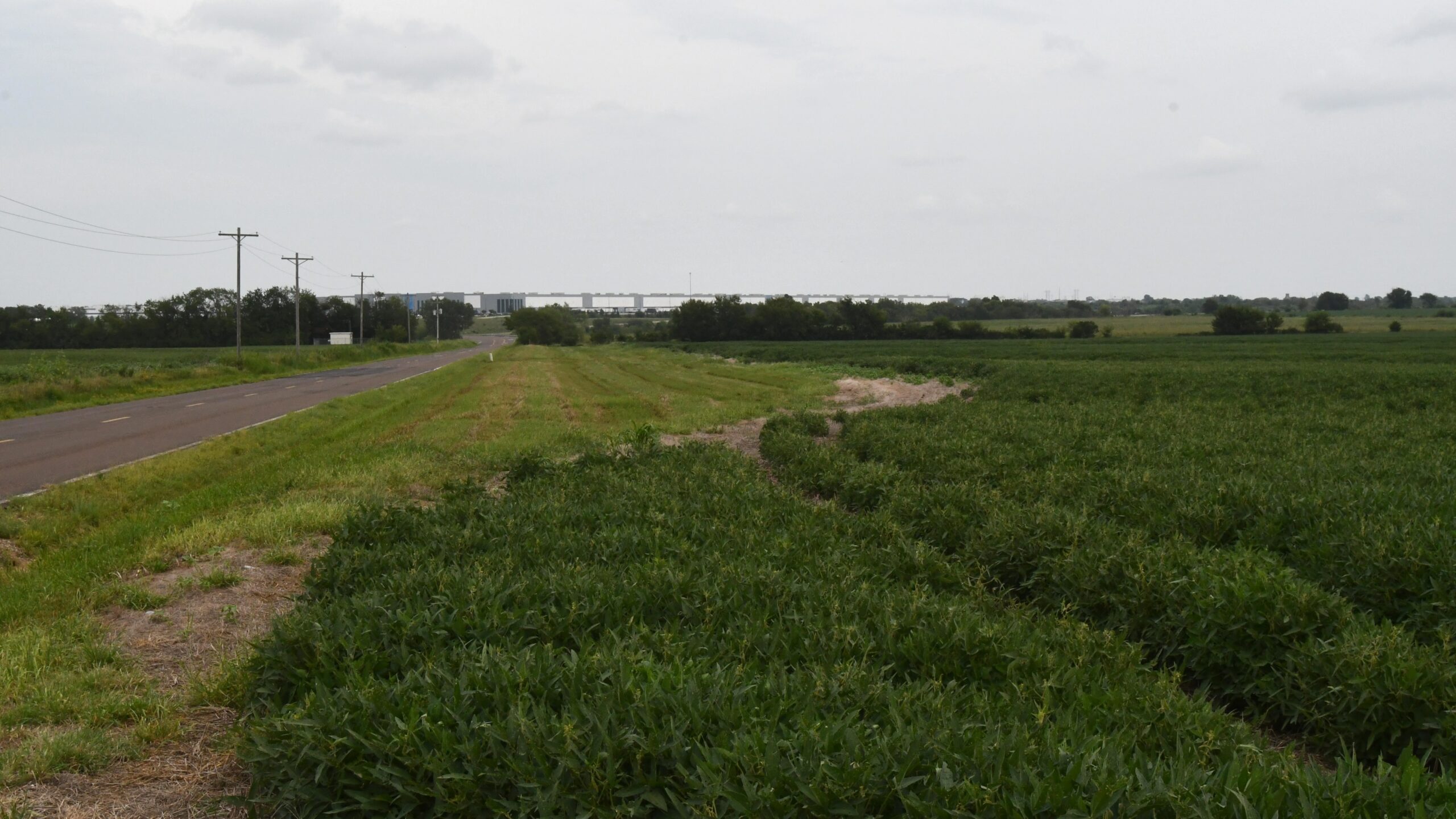
The promise of a data center arrives with renderings, investment figures and talk of the future. The water and power demand arrives in a Kansas community. Democratic governor nominee Cindy Holscher has called for a moratorium on new giant corporate data centers while the state writes stronger guardrails for land, utility rates, jobs and local budgets.
Holscher's pause is a proposal, not an existing statewide ban. It draws a bright line against the argument that Kansas must accept every large project on the terms a developer brings. She says the state should know who pays for new electricity infrastructure and what happens to farmland and water before a community is locked into decades of consequences.
Republican leaders enacted Senate Bill 98, which offers a tax incentive to qualifying data-center companies. The law requires at least $250 million in Kansas investment within five years after operations begin and at least 20 new jobs within two calendar years. Those thresholds reveal the dispute. A facility can qualify while creating relatively few permanent jobs compared with its scale.
Holscher has argued that the benefits need to be tested against the cost of electricity, land and water, not simply the developer's capital budget. On her campaign priorities page, she calls for a moratorium on new giant data centers until Kansas sets guardrails. Supporters of the projects see investment and construction work. Her challenge is that the public should know whether those gains endure when construction crews leave.
The state does need jobs and modern computing infrastructure. It also needs farmers, families and small businesses to keep reliable water and affordable power. A governor should be able to demand both. Holscher's plan makes the developer prove the bargain rather than asking the public to trust a glossy estimate.
Kansas should welcome investment without handing large companies a blank check on the resources everyone else shares. A data center can promise construction spending and technical jobs, but those benefits have to be measured against energy demand, water use and tax concessions. Holscher is insisting on that full ledger. It is not anti-technology to ask who pays to expand the grid or where the water comes from. It is what a governor should do before telling nearby families that the deal is already done.
Ty Masterson wants Kansas to compete for the AI economy. Holscher asks who gets the bill. If a project is truly a win for Kansas, it should survive a clear accounting of water, electricity and local jobs.