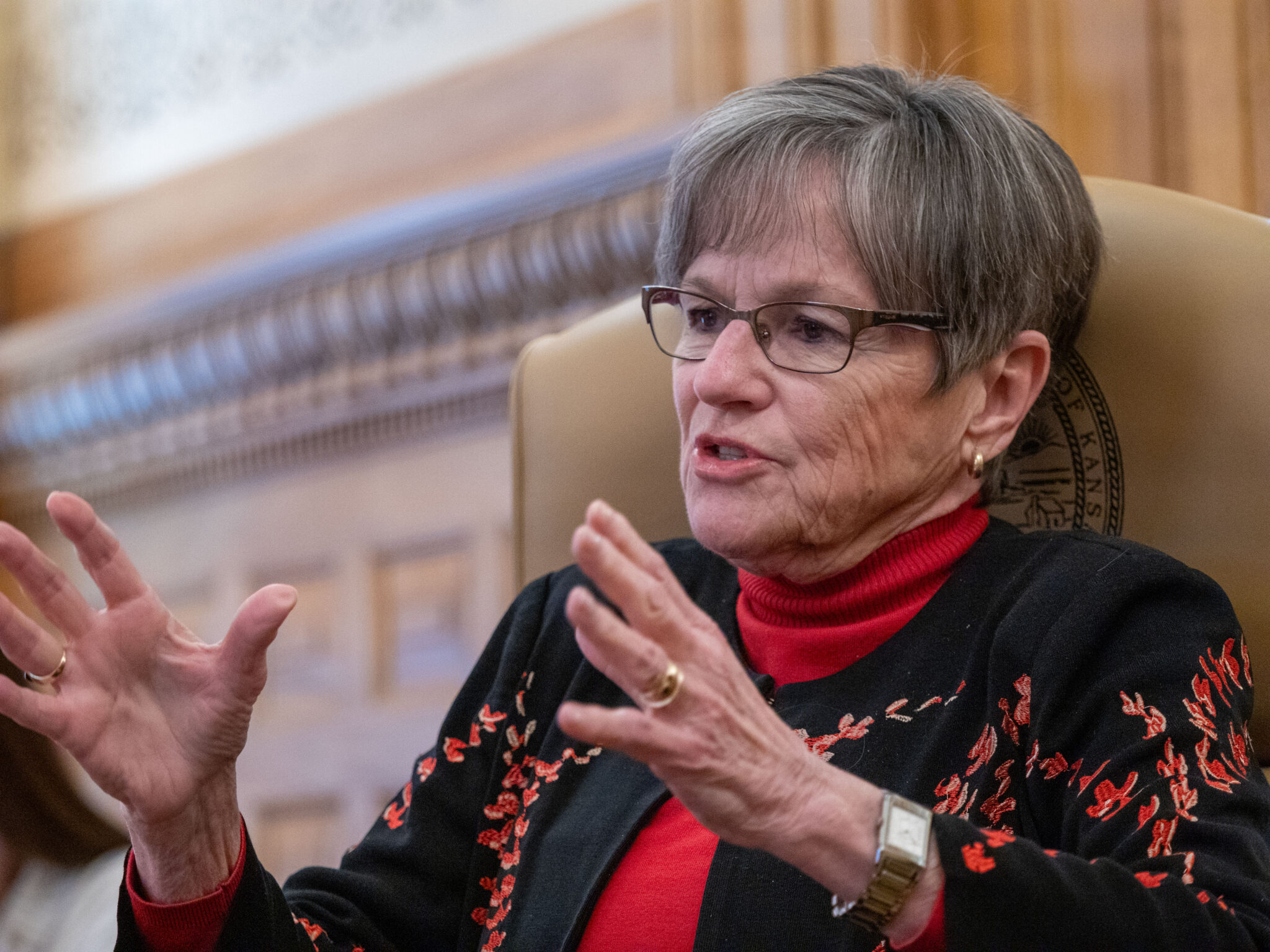
The Legislature sent Governor Laura Kelly a school-choice bill in 2026. She sent it back. Her veto of House Bill 2468 said Kansas should make meaningful increases in special education funding before expanding the private-school tax credit program.
The bill record described two main changes: Kansas would opt into a federal tax credit for contributions to scholarship organizations, and the state low-income scholarship tax-credit limit would rise to $15 million a year. Supporters saw another route for families seeking a different school. Kelly saw a state that still had not fully met its obligations to children in public classrooms.
Those are competing priorities, and Kansans deserve to hear them without pretending a tax credit is free. A credit reduces tax revenue that could otherwise support state services. A student with a disability still needs trained staff, transportation and appropriate support in the school system serving them today.
Kelly's veto did not argue that every family is happy with its neighborhood school. It argued that the Legislature should not use the frustration of some parents as a reason to keep public special education short of the funding it needs. Her 2025 budget statement had highlighted an additional $10 million in aid. In 2026, she said the work remained unfinished.
The governor's final budget criticism made the same point from another angle: lawmakers had cut school mental-health services and underfunded special education. Put together, the two fights show a governor asking who gets served first when the Legislature claims there is room for another tax break.
The phrase “school choice” can make a tax break sound like a solution to every family's problem. It cannot hire a special education teacher for the child whose local school has an open position today. Kelly's veto forced the debate back to the students already relying on public classrooms. If lawmakers want a larger scholarship credit, they should show what it costs, who uses it and why the state can afford it while required services remain underfunded.
The veto meant HB 2468 did not become law at that point. Voters can debate private education, but they cannot dodge the public-school bill already due. Kelly chose the children whose services Kansas is legally and morally responsible to provide.