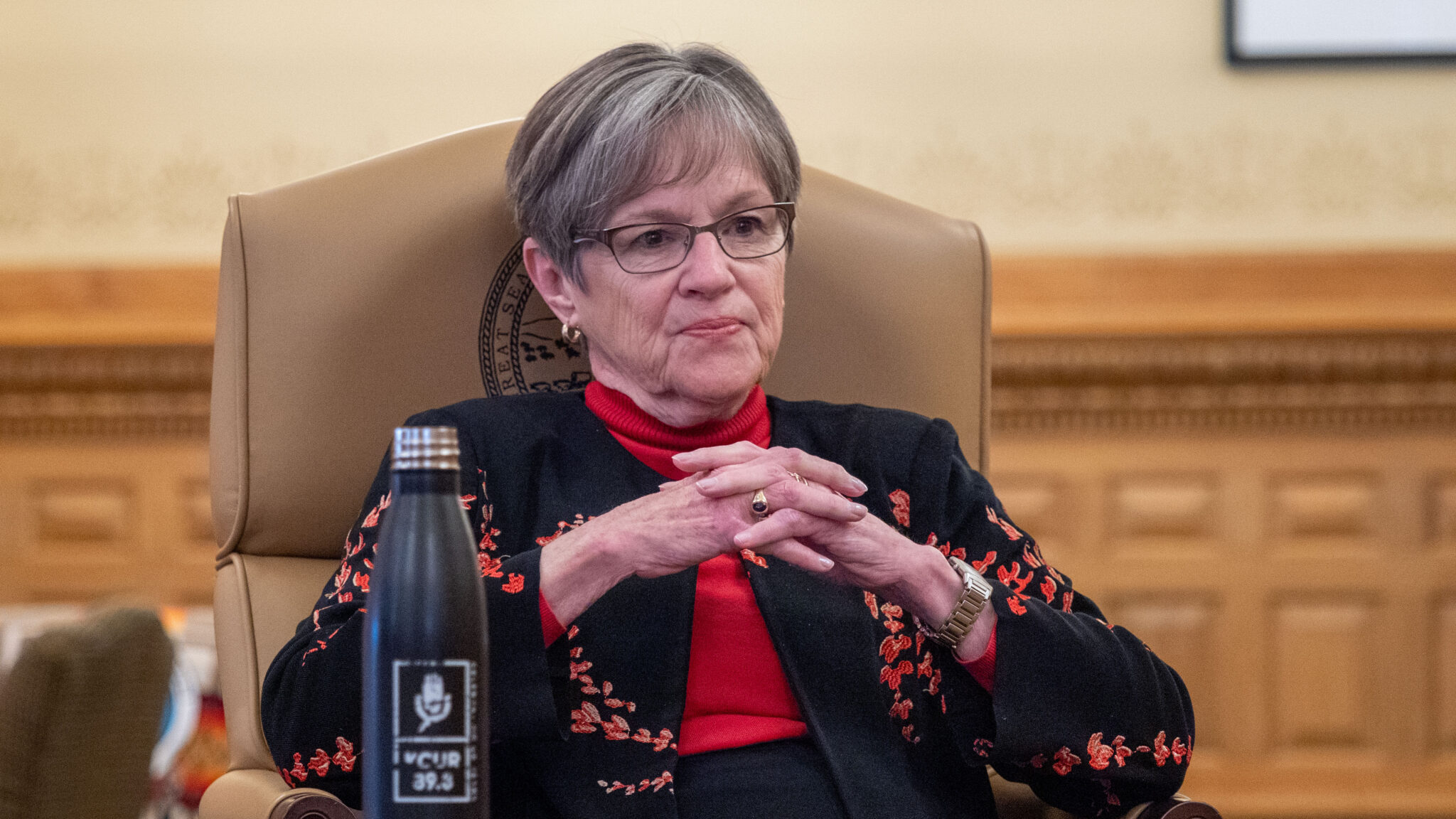
When a rural pharmacy closes, a prescription does not get any less urgent. Governor Laura Kelly signed Senate Bill 20 in April 2026 to put new rules on pharmacy benefit managers, the companies that sit between drug manufacturers, insurers and pharmacies. The law targets practices that can make the price paid by a health plan different from what the pharmacy receives.
Senate Democratic Leader Dinah Sykes said more than 100 local Kansas pharmacies had closed in the preceding decade. Her number is an argument for looking closely at the market; it does not mean a single law will reopen every counter. It does show why a family in a small town might care more about reimbursement rules than the latest partisan spectacle in Topeka.
The measure bans spread pricing, requires drug rebates to pass through to health plans and uses the National Average Drug Acquisition Cost to determine pharmacy reimbursement. It also gives the insurance commissioner more authority to regulate the middlemen. Those are specific changes to the flow of money. They make it harder for a pharmacy benefit manager to take a hidden margin while patients and independent pharmacies carry the cost.
Kelly called the bill a bipartisan step toward lower prescription costs. The law drew support from legislators across the aisle, and that is part of its strength. It is possible to fight for consumers without pretending every useful idea belongs to one party. The progressive point is that the middleman should have to answer to the public when a medicine becomes harder to afford or obtain.
Kelly also signed a children's health coverage update the same day. Together the actions show what governing can look like when the question is who gets care, rather than which politician wins a cable-news exchange.
The middleman is easy to overlook precisely because the patient never meets it at the counter. A person sees a higher price or finds the independent pharmacy shuttered, while the contracting and rebate terms remain buried. That is why transparency is not a decorative reform. Kelly and Sykes made the hidden part of the transaction a public question. If companies say their arrangements save Kansans money, the new rules give the state a stronger way to test that claim.
The new law sets rules; the actual price at any pharmacy will depend on implementation and contracts. Kansas can measure that result. Kelly and Sykes gave regulators the power to demand answers, and patients a reason to expect them.