A Kansas town cannot attract families or keep a business open on promises about water. It needs pipes, treatment and a supply that lasts. Governor Laura Kelly and the Kansas Water Office announced more than $26 million in grants in February 2025 for local water projects and technical help across the state.
The demand was much larger than the award. More than 270 communities applied in the 2024 funding period, asking for $237 million. The state made 39 technical assistance grants and 24 project grants, reaching 70 communities and special districts. That gap is a warning: Kansas has more water work to do than a single grant round can cover.
The awards reached rural water districts and towns from Barber and Wallace counties to Humboldt, Girard and Quinter. Humboldt's water project received $3 million; other awards addressed needs measured in thousands or hundreds of thousands. The variety is the point. A statewide water crisis does not arrive as one identical problem in every place.
Kelly also signed Senate Bill 36, doubling the cap on state money conservation districts can receive from $25,000 to $50,000 and improving the state match for local dollars. The 2025 budget added annual water investments as well. Each measure treats water as infrastructure that has to be maintained, rather than scenery politicians mention on a visit to western Kansas.
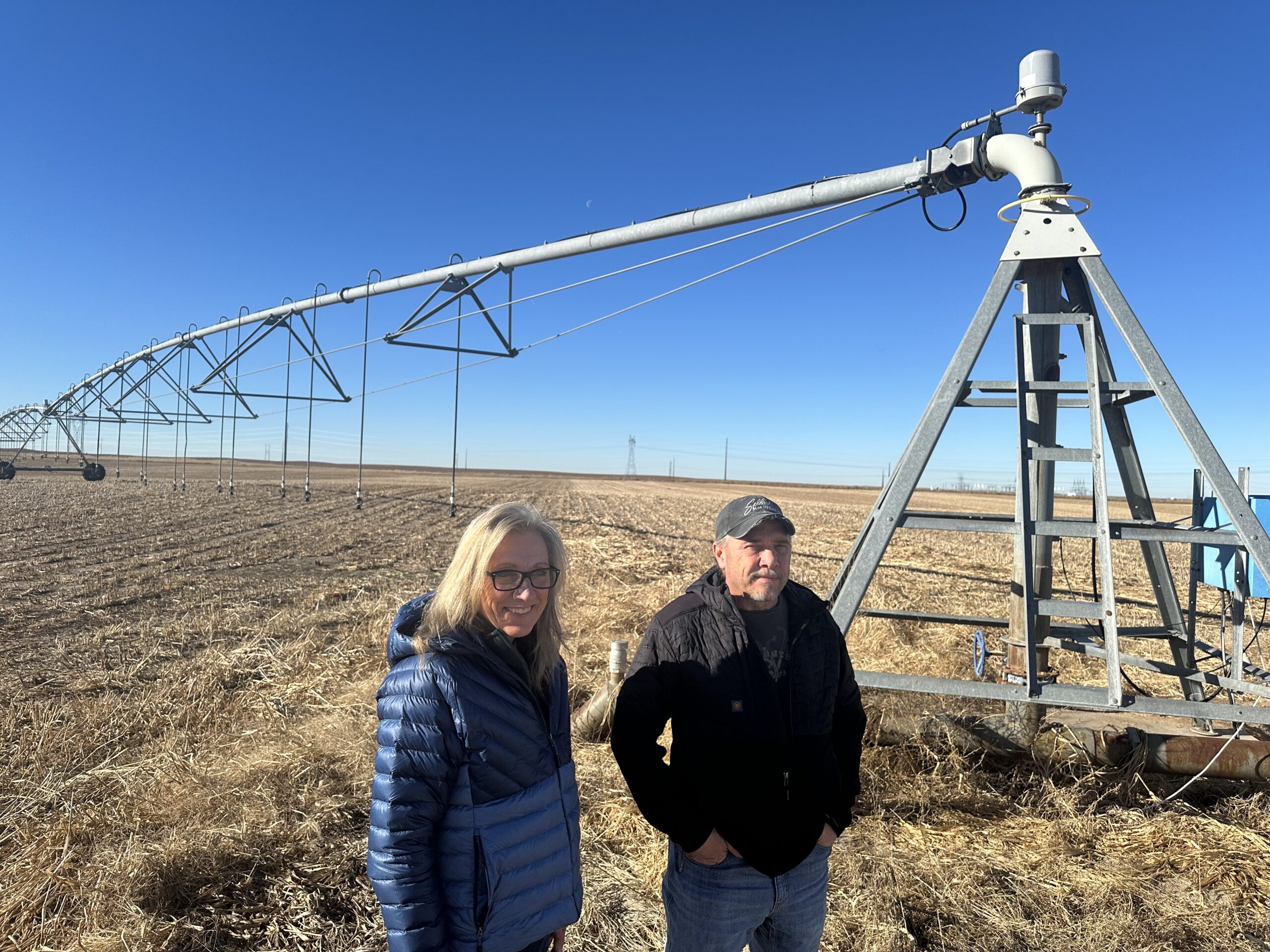
The governor's approach is practical and distinctly different from a politics of delay. Farms need reliable supplies. Towns need drinking water. Employers need to know both will exist a decade from now. A water grant cannot end depletion or repair every system, but it can put engineers and local officials to work before the bill grows.
Water politics usually becomes urgent only after a well runs low or a town faces an expensive fix. Kelly's grants put money into projects before every community reaches that point. The applications also exposed how much need remains unmet. Republican politicians who promise growth in western Kansas cannot leave the water system outside the economic plan. A plant, a farm and a new housing development all depend on supply that has to be protected now, not in the next election cycle.
Kansas voters should ask who is funding the next project when the campaign slogans fade. Kelly can point to awarded money, named communities and a law that strengthened conservation districts. That is how a state starts protecting the resource on which every other promise depends.