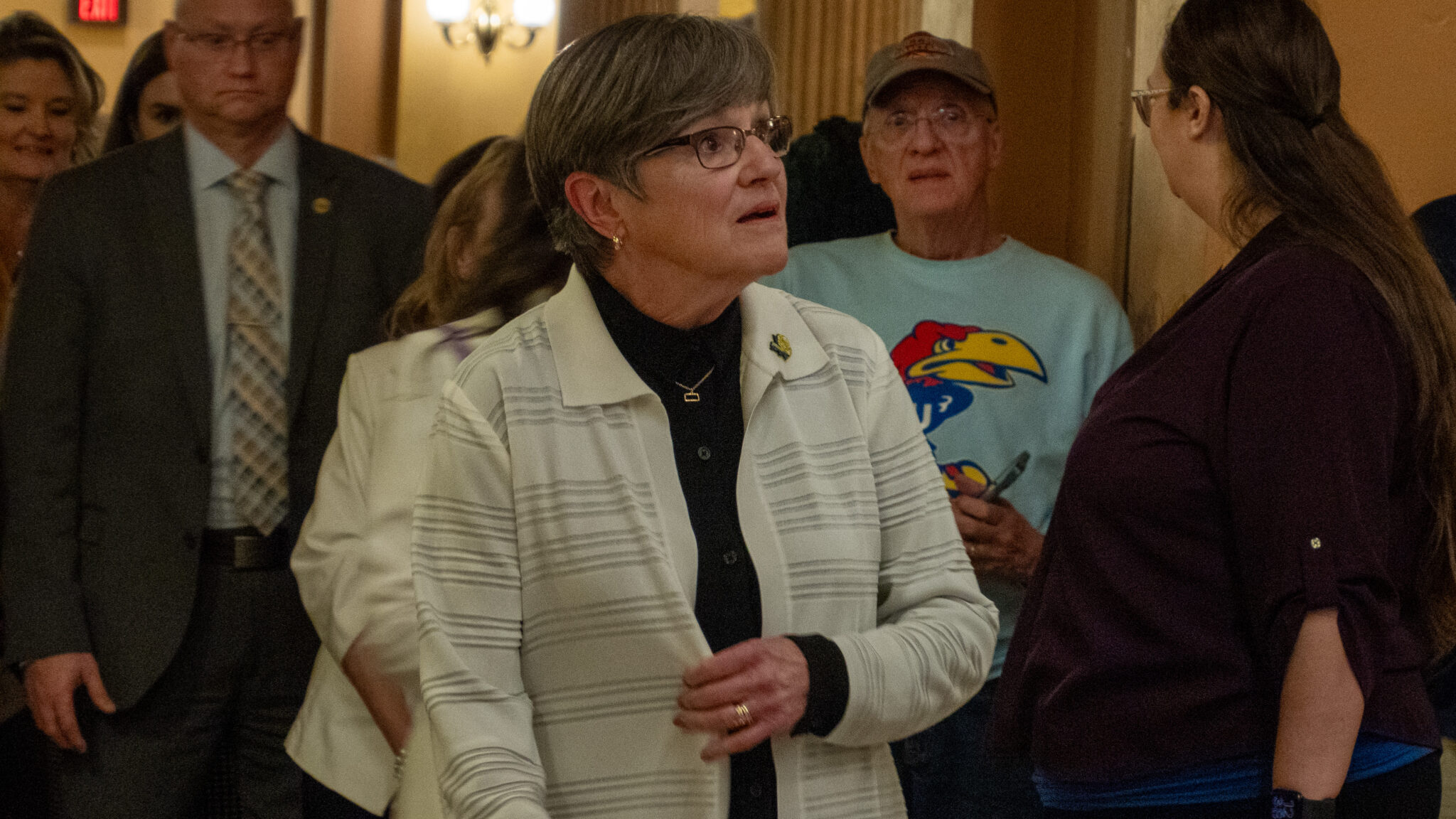
A ballot mailed on time should not be thrown away because the post office took longer than a legislator expected. Governor Laura Kelly made that argument when she vetoed Senate Bill 4 in March 2025. The bill removed Kansas' three-day grace period for mail ballots, a rule approved on a bipartisan basis in 2017 to account for postal delays.
Rural Kansans understand the distance problem immediately. Mail does not move from every town to an election office at the same speed. A voter can follow the instructions, send a ballot before Election Day and still have the government decide the envelope arrived too late under a stricter rule.
Kelly warned that the change could keep thousands of ballots from being counted and force county election officials to rewrite procedures in a high-turnout year. That estimate was part of her veto argument; the precise number of affected ballots depends on actual voting and mail delivery. The principle remains straightforward: the voter should not bear the penalty for a delay outside the voter's control.
The Legislature later overrode the veto. That outcome is important because it shows the limits of Kelly's power and identifies who made the final choice. She could block the bill temporarily and explain the harm; a supermajority could enact it anyway.
Republicans call faster deadlines an election rule. Democrats see who is most likely to pay when those rules ignore ordinary life: voters far from a county office, people working long shifts and residents who depend on the mail. Kelly's defense of the grace period put those Kansans at the center of the argument.
The fairness of a voting rule can be measured by the eligible voter it excludes. A ballot mailed on time does not become less valid because a truck takes longer to reach a county office. The Republican majority had the numbers to override Kelly, but that does not answer her objection. If the Legislature wanted a stricter deadline, it could have shown how Kansans in distant communities would avoid losing a vote through no fault of their own.
Election integrity includes counting lawful votes, not only tightening a deadline. Kelly gave Kansas a clear test for the new rule: how many eligible voters lose a ballot because the state decided three days of postal leeway were too generous? When that happens, the Legislature owns the result.