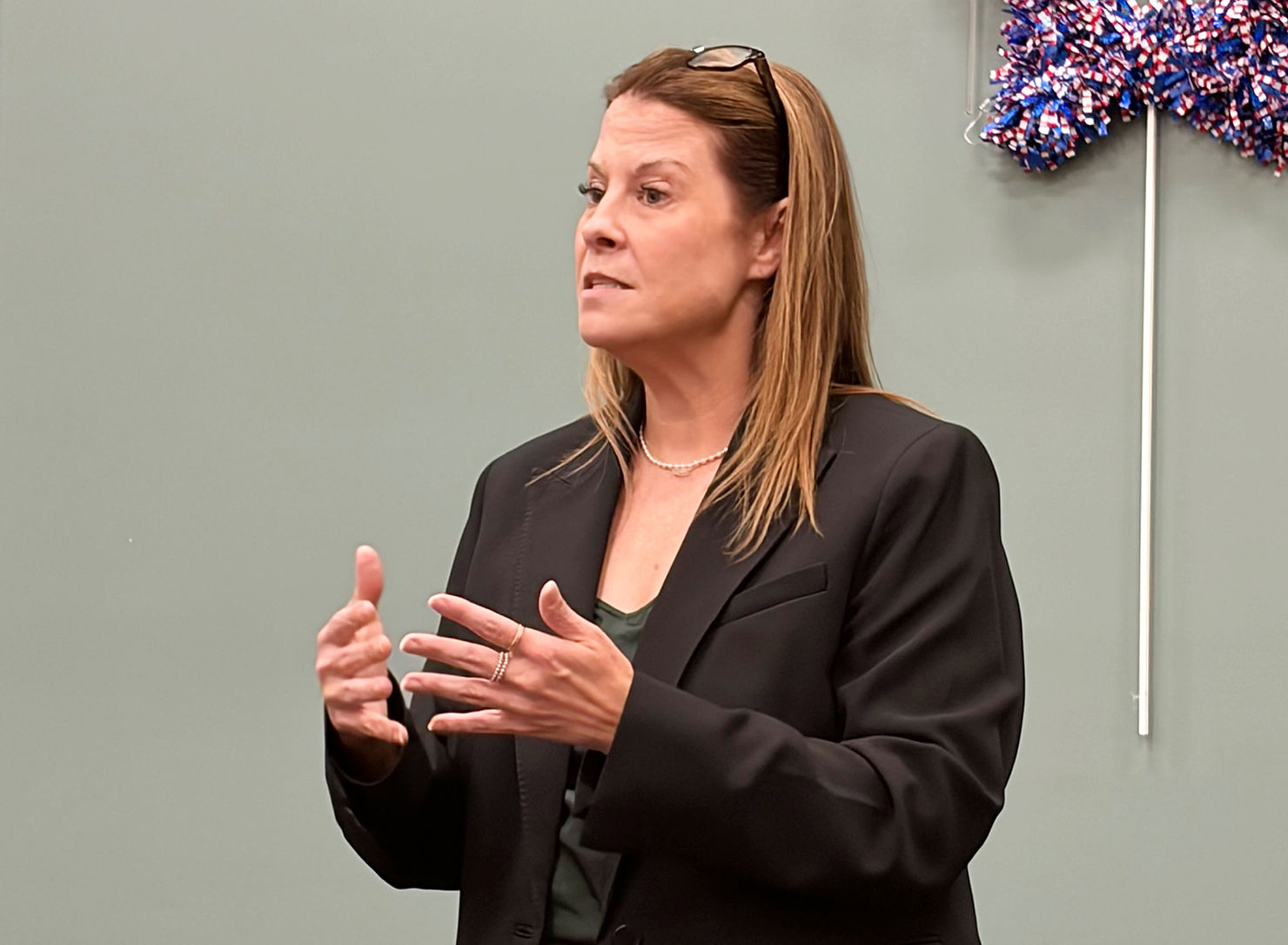

For a family buying its own health insurance, the number that matters is the premium due every month. Rep. Sharice Davids pressed Congress to protect enhanced Affordable Care Act tax credits before their scheduled expiration, warning that Kansans would feel the difference in their household budgets.
More than 160,000 Kansans were using the credits, according to the figures Davids cited. The average savings she reported was roughly $700 a year. That is not a talking point for someone deciding whether a plan remains affordable; it is money for groceries, repairs or another bill that does not wait for Congress.
Davids' fight goes to the heart of the national health-care argument. Republicans can say they want lower costs, but letting a working family's insurance help disappear is a very expensive way to make that case. The price increase would arrive in a renewal notice, not in a partisan mailer.
The credits were designed to lower premiums for people who buy coverage through the marketplace. Keeping them requires a federal decision; Davids cannot extend them alone. Yet she has made clear which side of that decision she is on. The burden is on lawmakers willing to let the deadline pass to explain what affordable replacement they have ready.
The warning is no longer hypothetical. A July 2026 Kansas Reflector report cited a 20% decline in Kansas marketplace enrollment between February 2025 and February 2026 after the enhanced credits expired. That number does not prove every former enrollee is now uninsured; some may have found other coverage. It does show the scale of the disruption Davids tried to prevent. Kansas still has a separate fight over Medicaid expansion, but that does not erase the premium shock for families buying their own plans.
There is nothing abstract about an expiration date printed on a family's renewal paperwork. The enhanced credit is part of the calculation that determines what a marketplace plan costs. If Congress lets it lapse, the same plan can become harder to keep even though no one in the household changed jobs or got a raise. Davids is telling Washington to settle the question before families are forced to guess at the next premium. Her opponents can argue for a different system. Until they have one ready, they should not make Kansans finance the gap with their health coverage.
Davids is treating health insurance as a monthly cost with a due date. That may sound obvious, but it is exactly what gets lost when politicians debate subsidies as abstractions. A Kansas family should not have to lose help first so Congress can discover that the premium mattered.